Chicken Run Ideas With Attached Covered Run
Highlighted under: Comfort Delights
I love finding creative ways to improve my chicken coop setup, especially when it comes to giving my chickens a safe and fun space to roam. An attached covered run not only keeps my chickens protected from predators but also allows them to enjoy the outdoors without worrying about the weather. Building a covered run has transformed our backyard into a mini sanctuary and made caring for our feathered friends so much easier. I can’t wait to share these ideas with you, as they’ve made a huge difference in our chicken-raising experience!
When I built my first chicken coop, I realized quickly that an open run wouldn’t be enough to keep my hens safe from unexpected threats. Experimenting with different materials, I landed on a combination of sturdy hardware cloth and a clear plastic roofing panel. This setup provided the perfect amount of sun while keeping my flock protected from hawks and other predators looking for a snack!
One highlight of the project was incorporating a few natural elements like logs and rocks into the run, which allowed my chickens to forage and scratch around. It truly transformed the space into an enriching environment. Seeing my flock happily clucking around made all the effort worthwhile!
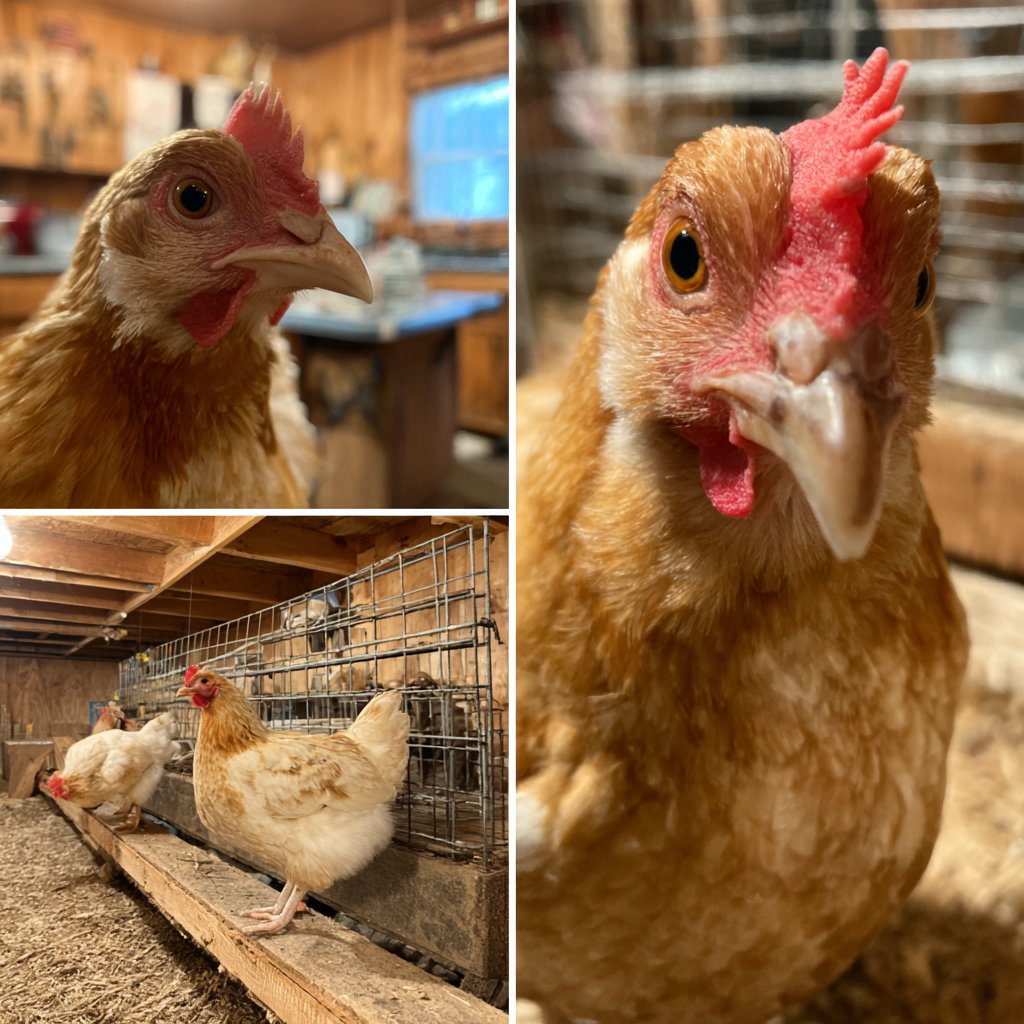
Why You Will Love This Setup
- Provides protection against predators and harsh weather
- Encourages natural behaviors in your chickens
- Customizable to fit your yard and aesthetic preferences
Choosing the Right Materials
When it comes to building your covered chicken run, selecting the right materials is crucial for both durability and safety. I recommend using hardware cloth instead of chicken wire; while the latter can be more affordable, it's easily compromised by determined predators. Hardware cloth is much sturdier and can withstand attempts from raccoons, foxes, or even birds of prey. Additionally, make sure your wood, like 2x4 lumber, is treated or rot-resistant to ensure your structure lasts for years with minimal maintenance.
The choice of roofing is equally essential. Clear plastic roofing panels provide shelter and let the natural light shine through, creating a pleasant environment for your chickens. These panels are lightweight and easy to install, making them perfect for DIY builders. Ensure that the pitch of the roof allows for rain runoff, preventing standing water, which can lead to leaks or mold growth. In my experience, a slight angle of about a 10 to 15-degree slope is generally effective.
Don’t forget about ventilation! Chickens thrive in well-ventilated spaces, so consider adding openings covered with mesh for airflow without compromising security. These vents can prevent overheating in warmer months, ensuring your chickens are comfortable year-round. Proper planning of your design with ventilation in mind can also help reduce humidity and ammonia buildup, promoting better health for your flock.
Construction Tips for Your Run
When constructing the frame, use a level to ensure everything is square and even. It might seem tedious, but a balanced structure is fundamental to durability. I have learned that spending a few extra minutes double-checking measurements can save you from headaches down the road. If you notice any wobbling in the frame once assembled, simply add cross bracing for additional support, especially if you live in an area prone to high winds.
While installing the walls, ensure that there are no gaps or spaces larger than one inch that could allow predators to squeeze through. Make sure to extend the hardware cloth several inches underground or create a skirt around the perimeter to prevent digging. A buried barrier can be an excellent deterrent against burrowing animals, helping keep your chickens safe at all times.
Finally, when building the door, make it large enough to easily access the run for cleaning and feeding purposes. I recommend a sturdy latch that can withstand some wear and tear, and consider adding locks if you live in an area where raccoons are prevalent. Regular checks on the integrity of this access point will keep your coop secure and can save you from potential losses in your flock.
Ingredients
To create an effective chicken run with an attached cover, here are the materials you'll need:
Materials Needed
- Hardware cloth or chicken wire
- 2x4 lumber
- Clear plastic roofing panels
- Hinges for door construction
- Latches for securing doors
- Wood screws
- Nails
- Measuring tape
- Saw
- Drill
Make sure to tailor the size of the run based on the number of chickens you have. Ideally, each chicken should have at least 10 square feet of run space to stay healthy and happy.
Instructions
Here’s a step-by-step guide to building your covered chicken run:
Plan Your Layout
Sketch out the dimensions of your run based on the area available in your yard and the number of chickens.
Build the Frame
Using 2x4 lumber, construct a frame that will serve as the base and support for your run.
Attach the Walls
Secure hardware cloth or chicken wire around the frame to create walls that will keep the chickens contained.
Create the Roof
Attach the clear plastic roofing panels on top to provide shelter from rain while allowing sunlight to filter through.
Install the Door
Build a door using the same materials and secure it with hinges and latches to allow easy access for cleaning and feeding.
After construction, introduce your chickens to their new home gradually to ensure they feel safe and comfortable.
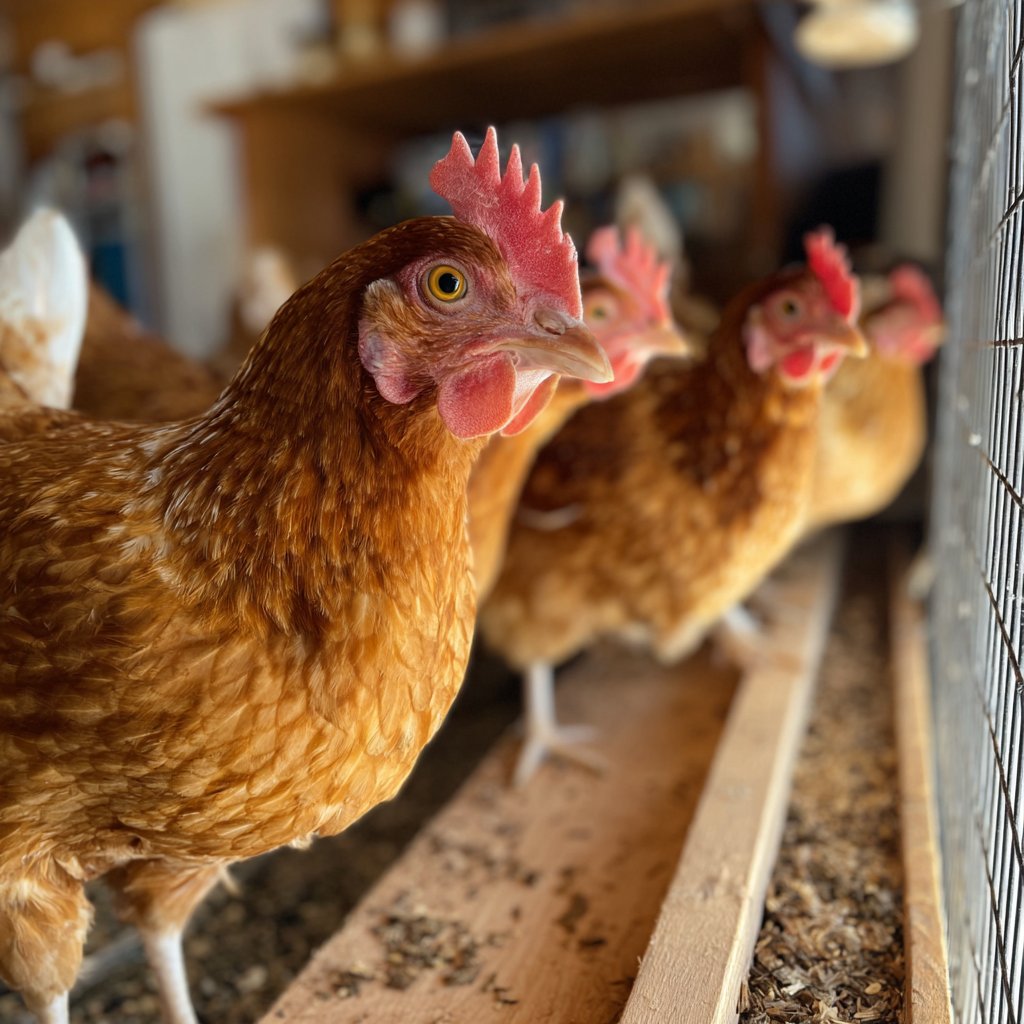
Pro Tips
- To keep your run clean, consider adding a removable floor or using a lightweight tarp to cover the ground—this will make maintenance much easier!
Enhancing Your Run with Enrichment
After successfully building your covered run, consider adding enrichment elements that promote natural behavior in your chickens. For instance, adding branches or logs for them to perch on can create a more stimulating environment. They love to scratch and peck, so incorporating a dust bathing area filled with sand or soil can keep them engaged and happy. This not only mimics their natural habitat but also helps maintain their feathers and skin health.
In addition to physical structures, think about how you can vary their environment. Rotating toys or introducing new elements like hanging treats can keep your flock entertained. Chickens are curious creatures, and regular changes will encourage them to explore and engage with their surroundings. Keeping your run dynamic will lead to happier, healthier chickens that exhibit natural foraging behaviors.
If you want to take it a step further, planting herbs or grasses that are safe for chickens can provide them with fresh snacks and help maintain a pleasant atmosphere. I have found that things like mint or oregano not only offer great benefits nutritionally but also help deter pests naturally. Planting these around the perimeter can create a beautiful and functional landscape while also serving as a treat for your birds.
Maintenance and Care
Maintaining your covered run should be a regular part of your chicken-keeping routine, ensuring that your chickens remain healthy and safe. It’s essential to regularly check the integrity of both the walls and roof. Look for signs of wear or damage, especially after severe weather, and repair any issues promptly. A proactive approach can prevent larger, more costly repairs down the road.
Regular cleaning is also crucial for the health of your flock. Change bedding material and remove droppings weekly to maintain a sanitary environment. I find that using a solid floor beneath the bedding makes the cleanup process much easier. Aim for a deep litter method if you have a larger run, allowing the bedding to break down over time and improve soil quality.
Lastly, keep an eye on the health of your chickens. Regularly check for signs of distress, such as changes in behavior or appearance. A well-maintained run with ample ventilation and clean living conditions will lead to fewer health complications over time. By staying vigilant and caring for your setup, you help promote a happy, thriving flock.
Questions About Recipes
→ How tall should the covered run be?
Aim for at least 6 feet high to allow you to walk inside comfortably while providing ample space for the chickens.
→ Can I use regular fence instead of hardware cloth?
Regular fencing may not be as effective against smaller predators. Hardware cloth is sturdier and recommended for optimal protection.
→ What if my chickens burrow under the run?
To prevent burrowing, consider burying the edges of the hardware cloth at least 12 inches underground.
→ Is it necessary to cover the run?
Yes, a covered run protects your chickens from harsh weather and keeps them safe from aerial predators.
Chicken Run Ideas With Attached Covered Run
Created by: Gwendolyn Reed
Recipe Type: Comfort Delights
Skill Level: Intermediate
Final Quantity: 1 run
What You'll Need
Materials Needed
- Hardware cloth or chicken wire
- 2x4 lumber
- Clear plastic roofing panels
- Hinges for door construction
- Latches for securing doors
- Wood screws
- Nails
- Measuring tape
- Saw
- Drill
How-To Steps
Sketch out the dimensions of your run based on the area available in your yard and the number of chickens.
Using 2x4 lumber, construct a frame that will serve as the base and support for your run.
Secure hardware cloth or chicken wire around the frame to create walls that will keep the chickens contained.
Attach the clear plastic roofing panels on top to provide shelter from rain while allowing sunlight to filter through.
Build a door using the same materials and secure it with hinges and latches to allow easy access for cleaning and feeding.
Extra Tips
- To keep your run clean, consider adding a removable floor or using a lightweight tarp to cover the ground—this will make maintenance much easier!
Nutritional Breakdown (Per Serving)
- Calories: 0 kcal
- Total Fat: 0g
- Saturated Fat: 0g
- Cholesterol: 0mg
- Sodium: 0mg
- Total Carbohydrates: 0g
- Dietary Fiber: 0g
- Sugars: 0g
- Protein: 0g